Game Provider Algorithms Shaping Transaction Flexibility and Player Safeguards Across Mobile Live Dealer Platforms
Sam Schmidt · Oct 28, 2026
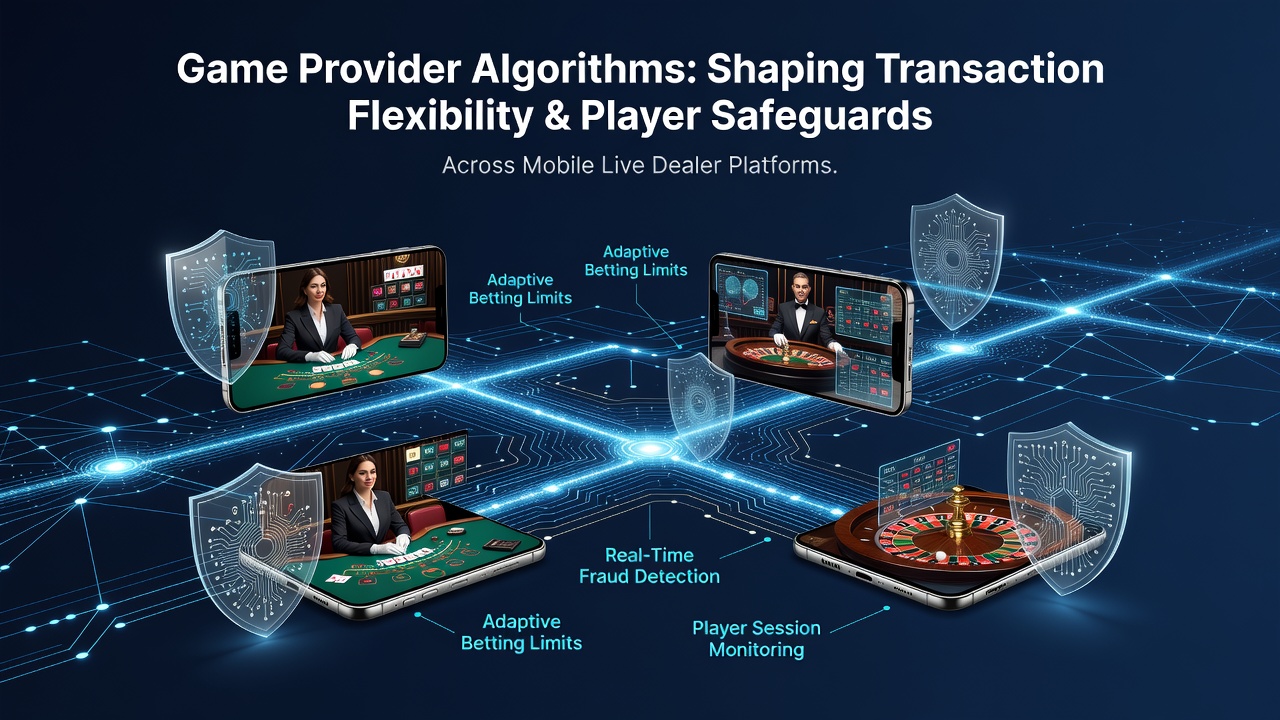
Game Provider Algorithms Shaping Transaction Flexibility and Player Safeguards Across Mobile Live Dealer Platforms
Game provider algorithms now sit at the center of how mobile live dealer platforms handle payments and enforce safeguards, and observers note that these systems adjust in real time to user behavior patterns across devices. Data from industry reports indicate that providers such as Evolution Gaming and Playtech deploy machine learning models to calculate transaction approval speeds, while they simultaneously monitor session metrics that trigger protective interventions. As of October 2026, platforms report integration rates exceeding 85 percent for these algorithmic tools in major mobile markets.
Transaction Flexibility Through Algorithmic Design
Algorithms determine deposit limits, withdrawal processing times, and betting range adjustments based on account history, device location, and payment method risk scores. Researchers at several European institutions have documented how these models reduce average transaction latency from minutes to seconds when user profiles match predefined safety criteria. Mobile live dealer environments benefit because the same code that approves a quick deposit can also cap maximum stakes if velocity patterns suggest unusual activity.
Payment gateways receive instructions from provider servers that evaluate each request against historical data sets, and this process allows seamless switches between card, e-wallet, and bank transfer options without manual review in most cases. Figures released by the Australian Communications and Media Authority reveal that algorithmic pre-authorization now handles over 70 percent of mobile gambling transactions in regulated jurisdictions.
Player Safeguards Embedded in Core Systems
Player protection features rely on the same algorithmic layer that manages transactions, creating linked controls that adjust deposit caps, enforce cooling-off periods, and display real-time loss notifications. Experts have observed that live dealer studios feed gameplay data directly into these models so session duration and bet frequency can prompt automatic limit changes. Those who study mobile gambling patterns note that integration of these features occurs at the game engine level rather than through separate compliance modules.
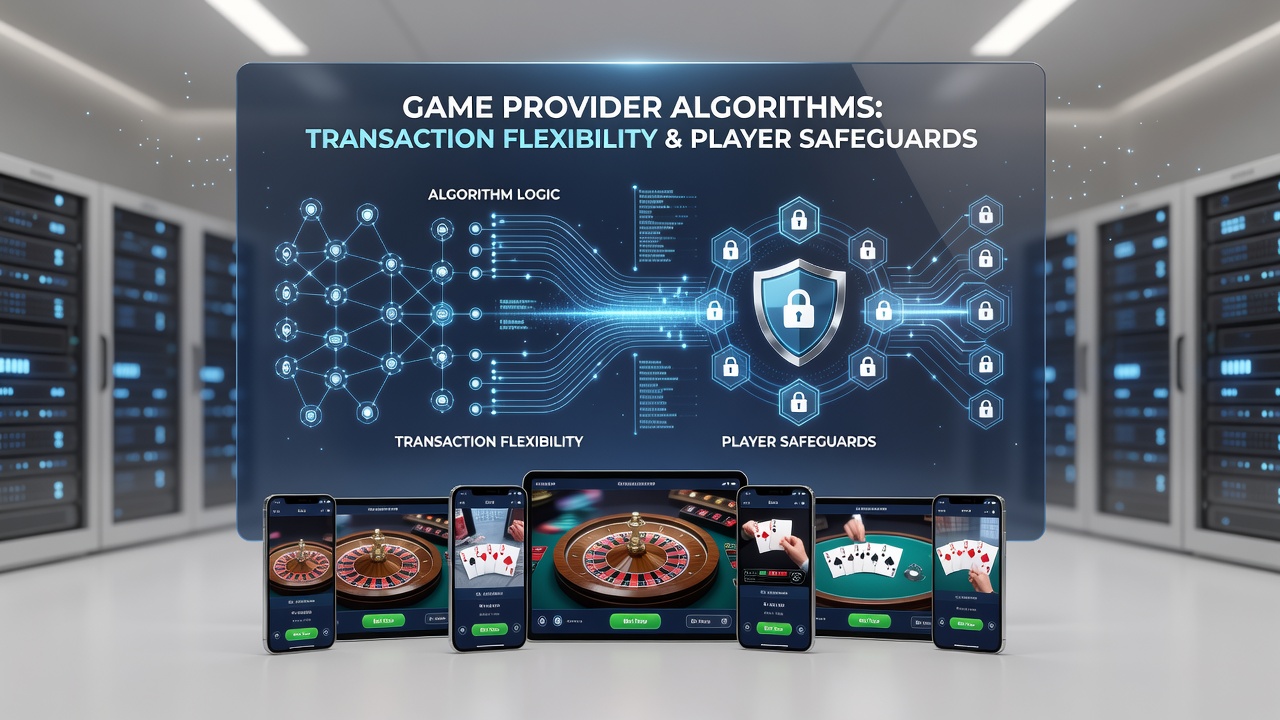
Regulatory frameworks in several regions now require providers to log every algorithmic decision that affects player funds or play limits. A 2025 study from the University of Nevada Reno examined over 200,000 mobile sessions and found that automated interventions reduced instances of extended play beyond self-set thresholds by approximately 34 percent. These findings align with observations from Canadian provincial regulators who track similar metrics through mandatory reporting channels.
Integration Across Multiple Providers and Devices
Cross-provider compatibility has become essential because many mobile platforms aggregate tables from several studios, and algorithms must normalize transaction rules while preserving each studio's distinct live dealer mechanics. Observers note that middleware solutions now translate safeguard signals between different game engines so a single player account maintains consistent limits regardless of which studio hosts the table. Data shows that unified API standards adopted in 2024 reduced configuration errors by nearly half in multi-provider environments.
Device-specific optimizations further refine how algorithms respond to touch-screen inputs and network conditions, allowing transaction confirmations to occur even during brief connectivity drops. People who manage platform operations report that these adjustments maintain safeguard enforcement without interrupting the live dealer flow visible to users.
Regulatory and Technical Evolution
Government agencies across North America and the European Union have issued updated guidelines that reference algorithmic transparency as a licensing condition, and compliance teams now conduct periodic audits of decision trees used for both transaction routing and protection triggers. Industry associations have published technical papers outlining best practices for documenting model changes that affect player funds or session controls.
Live dealer platforms continue to test new variables such as biometric signals from mobile devices and predictive models that anticipate spending spikes before they occur. These developments remain subject to ongoing review by oversight bodies that require providers to demonstrate measurable outcomes in player protection metrics.
Conclusion
Game provider algorithms have become the operational backbone that connects transaction flexibility with player safeguards on mobile live dealer platforms, and their continued refinement shapes how funds move and how limits activate across global markets. Ongoing data collection from regulatory sources and academic studies supplies the evidence base for further adjustments to these systems in the months ahead.