How Volatility Patterns in Progressive Machines Guide Transaction Security Choices Within App-Based Live Table Environments
Eden Otto · Nov 25, 2026
How Volatility Patterns in Progressive Machines Guide Transaction Security Choices Within App-Based Live Table Environments
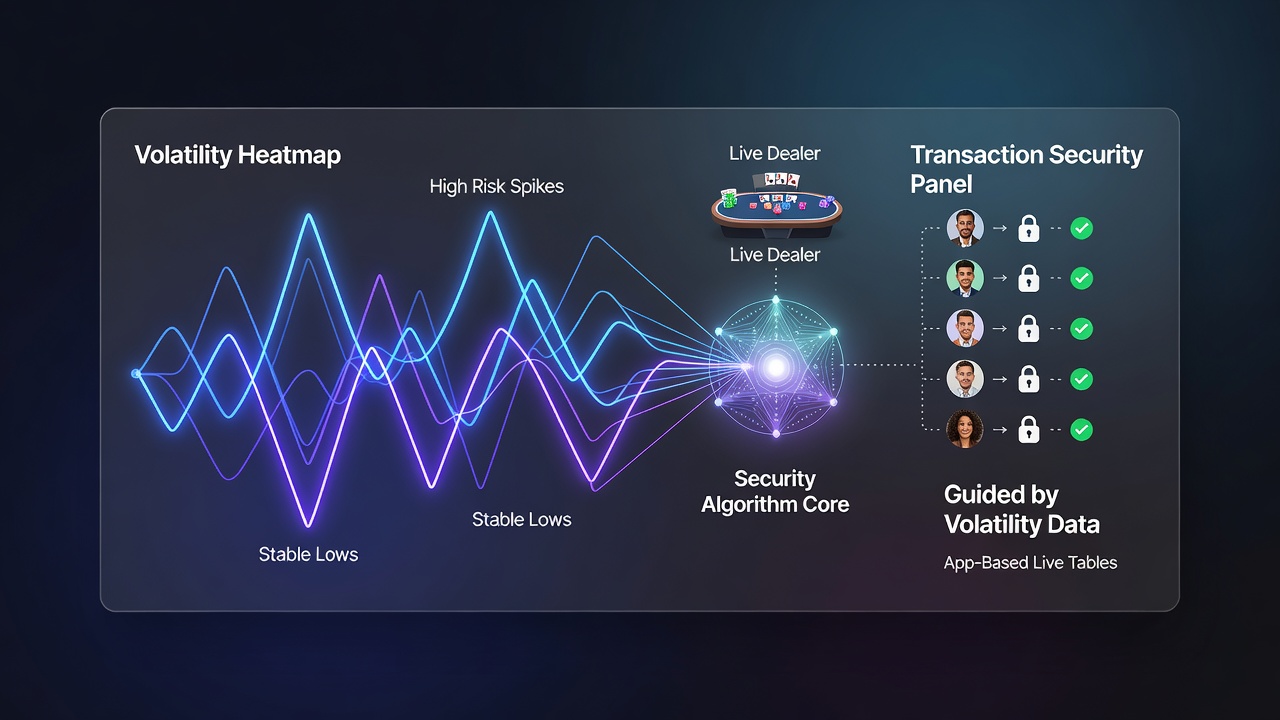
Volatility patterns in progressive machines create distinct data streams that operators analyze when selecting transaction security protocols for app-based live table environments, and these patterns emerge from jackpot accumulation rates combined with player bet sizing behaviors across connected systems. High-volatility progressives generate infrequent but substantial payout events, which in turn prompt developers to layer additional authentication steps onto deposit and withdrawal functions in associated live dealer applications, whereas lower-volatility machines produce steadier smaller wins that align with baseline encryption standards already in place.
Understanding Volatility Metrics in Progressive Systems
Progressive machines track volatility through mathematical models that measure the distribution of win frequencies against jackpot growth curves, and researchers at institutions like the University of Nevada's gaming analytics programs have documented how these metrics shift daily based on aggregate player activity. Observers note that when volatility spikes, the corresponding increase in session length within linked mobile platforms leads administrators to activate multi-factor verification for larger transfers, while stable periods allow streamlined payment pathways that reduce friction without compromising core safeguards.
Data from industry reports indicate that progressive jackpot contributions often correlate with specific transaction volumes in live table apps, creating feedback loops where security teams adjust protocols in real time; for instance, one study tracking European and North American markets found that volatility thresholds above certain benchmarks triggered automatic upgrades to token-based authorization systems.
Transaction Security Adaptations in Mobile Live Tables
App-based live table environments incorporate volatility signals from progressive machines to calibrate fraud detection thresholds, and this integration occurs through shared backend databases that flag unusual bet patterns before they affect funding choices. When progressive volatility rises, operators frequently route high-value transactions through segregated channels that employ biometric checks alongside standard card verification, whereas calmer volatility readings permit quicker processing via established digital wallets.
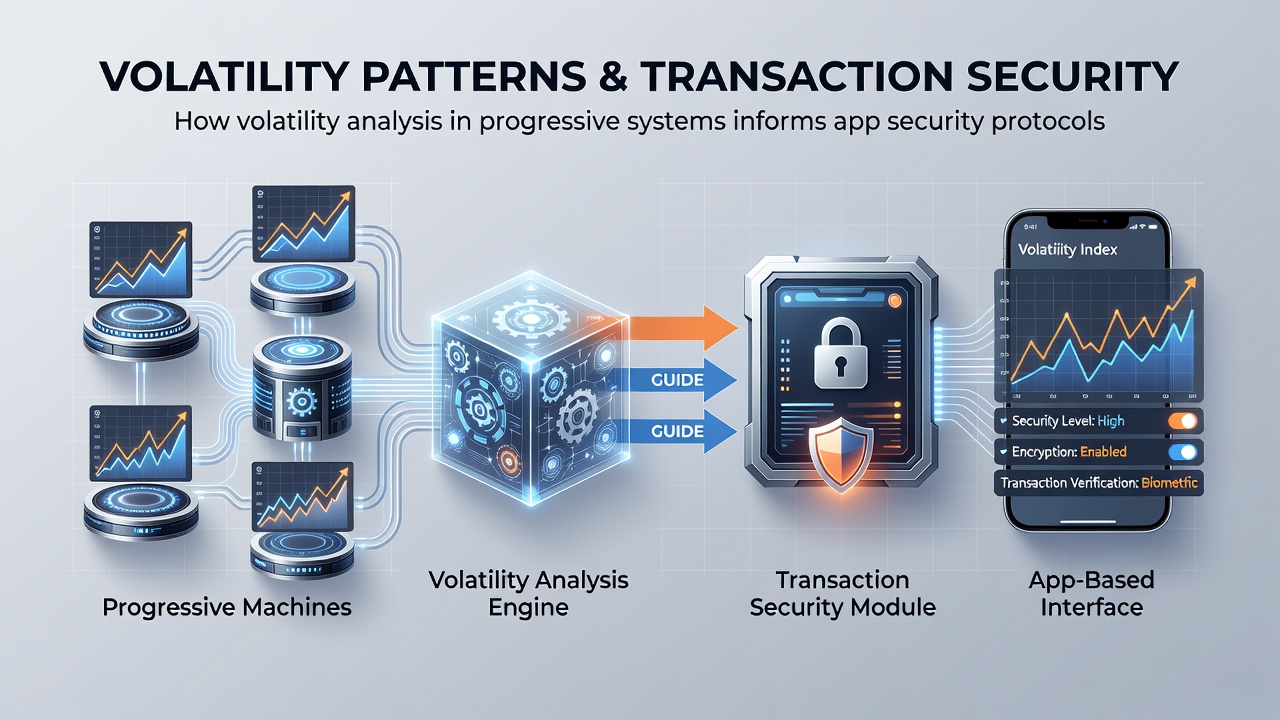
What's interesting here is how these adjustments maintain consistency across multi-provider ecosystems; regulatory bodies such as the Pennsylvania Gaming Control Board have outlined frameworks that encourage operators to align security tiers with observable game risk indicators, ensuring that live table sessions inherit protective measures calibrated to the volatility profile of attached progressives. In November 2026, updated compliance guidelines from several Australian state regulators are scheduled to emphasize similar data-driven linkages between machine metrics and payment authentication levels.
Case Examples from Operator Implementations
One documented implementation involved a North American platform that monitored progressive jackpot velocity to determine when to escalate from single-signature to dual-signature approval flows for live table deposits, and this approach reduced unauthorized transaction attempts during peak volatility windows according to internal performance logs. Another instance from Asian markets showed developers using volatility trend lines to schedule temporary holds on certain funding methods, directing players toward more secure alternatives when progressive machines entered high-risk accumulation phases.
Those who've examined cross-platform data sets observe that live dealer environments benefit from these guided choices because they inherit the risk profile of connected progressives without requiring separate volatility calculations, which streamlines development while preserving regulatory alignment.
Broader Industry Patterns and Regulatory Context
Industry organizations including the Responsible Gambling Council of Canada have compiled evidence showing that volatility-informed security protocols appear more frequently in jurisdictions with integrated reporting requirements, and these patterns extend to how apps handle session timeouts and withdrawal confirmations. Researchers continue to map connections between progressive machine data and live table transaction flows, revealing that operators who synchronize these elements report fewer discrepancies in audit trails.
Evidence suggests the approach scales across device types, from tablets to smartphones, because the underlying algorithms pull from centralized volatility feeds rather than device-specific variables.
Conclusion
Volatility patterns in progressive machines continue to shape transaction security selections in app-based live table settings through measurable correlations that operators track via shared analytics platforms, and this relationship supports consistent risk management across evolving mobile environments. As new regulatory milestones approach in late 2026, further refinements to these linkages are expected to emerge from ongoing data analysis in multiple regions.