Software Developer Decisions Linking Transaction Options to User Safeguards in Portable Live Table Prize Systems
Viktor Hughes · Nov 11, 2026
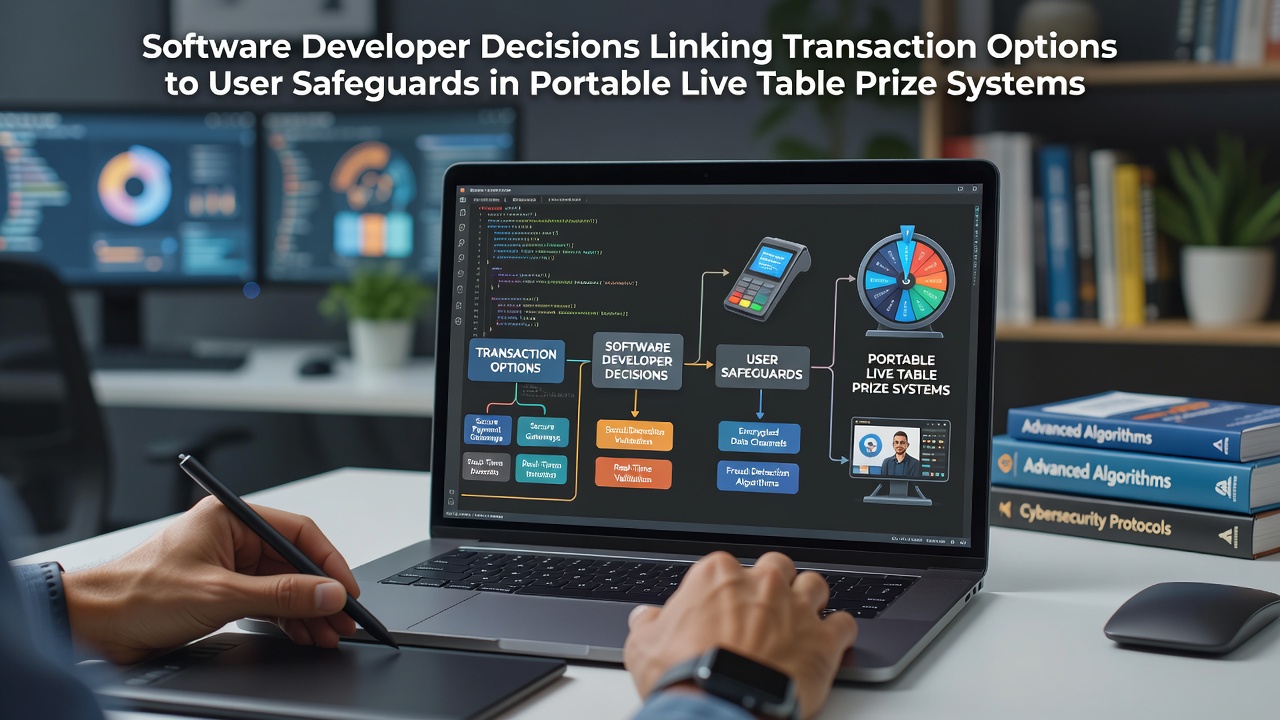
Software Developer Decisions Linking Transaction Options to User Safeguards in Portable Live Table Prize Systems
Software developers face intricate choices when connecting transaction options to user safeguards within portable live table prize systems, where mobile platforms host real-time dealer interactions and accumulating prize pools. These decisions shape how payment methods interface with verification layers, limit-setting tools, and fraud detection protocols that operate across handheld devices.
Core Linkages in Transaction and Safeguard Design
Developers evaluate payment gateways that support instant deposits and withdrawals while embedding automated checks for age verification and session duration. Research indicates that systems handling live table prizes require APIs capable of pausing transactions when predefined thresholds trigger, such as daily spending caps or velocity limits on bets placed during active dealer rounds. Data from industry analyses show that seamless integration reduces unauthorized access incidents by aligning transaction flows with real-time monitoring modules.
Those who've examined these architectures note that portable environments demand lightweight code structures because mobile processors handle both live video streams and financial data simultaneously. Experts have observed that choices around cryptocurrency options versus traditional cards influence safeguard depth, since blockchain transactions often bypass centralized verification points that traditional processors provide.
Decision Factors Guiding Developer Choices
Teams assess compatibility between transaction processors and existing player protection frameworks before finalizing code paths. Factors include encryption standards for data in transit, response times for limit adjustments during live sessions, and fallback mechanisms when network connectivity fluctuates in portable use. According to findings from the Nevada Gaming Control Board, operators implementing these linkages report measurable declines in dispute rates tied to transaction errors.
What's notable is how developers prioritize modular designs that allow updates to safeguard parameters without disrupting ongoing live table streams. One documented approach involves conditional logic that routes high-value transactions through additional biometric confirmation steps before prize pool contributions finalize. This setup connects directly to mobile device sensors, creating a chain where transaction approval hinges on verified user identity states.
Implementation Patterns Across Mobile Platforms
Portable live table prize systems frequently incorporate geolocation data into transaction validation routines, ensuring that users remain within licensed jurisdictions before funds move. Developers link these checks to payment gateways so that attempts from restricted areas halt automatically, preserving compliance without manual intervention. Figures reveal that such automated blocks have increased in frequency as mobile adoption for live dealer formats grows.

Case studies from developers working with multi-provider environments highlight the use of event-driven architectures, where a completed bet in a live blackjack round immediately updates both prize pool totals and personal exposure trackers. These systems trigger alerts or temporary holds when patterns suggest risk escalation, all while maintaining the continuous flow of dealer interactions. Observers note that November 2026 brings scheduled enhancements to several API standards that further tighten these connections between transaction speed and safeguard responsiveness.
Regulatory and Technical Influences on Safeguard Integration
Regulatory frameworks across regions shape the specific transaction options developers select. The Malta Gaming Authority has documented requirements for real-time reporting of transaction anomalies in live gaming environments, prompting code that logs every payment attempt alongside corresponding safeguard activations. Similarly, reports from the Australian Communications and Media Authority emphasize the need for portable systems to maintain safeguard continuity during device handoffs between networks.
Developers therefore test transaction flows against multiple compliance checklists, incorporating elements like mandatory cooling-off periods after large prize wins in live table formats. This approach ties financial processing directly to behavioral monitoring tools, creating unified data streams that inform both payout approvals and user account adjustments.
Conclusion
Software developer decisions in this domain continue to evolve around precise linkages that balance transaction flexibility with layered user protections in portable live table prize systems. Evidence from regulatory records and technical implementations demonstrates consistent patterns where payment options feed into safeguard protocols through shared code frameworks. These connections support operational stability across mobile environments while addressing jurisdiction-specific mandates that govern live dealer prize activities.