Studio Influences on Welcome Package Customization for Live Interaction Platforms in Wireless Formats
Eden Otto · Sep 30, 2026
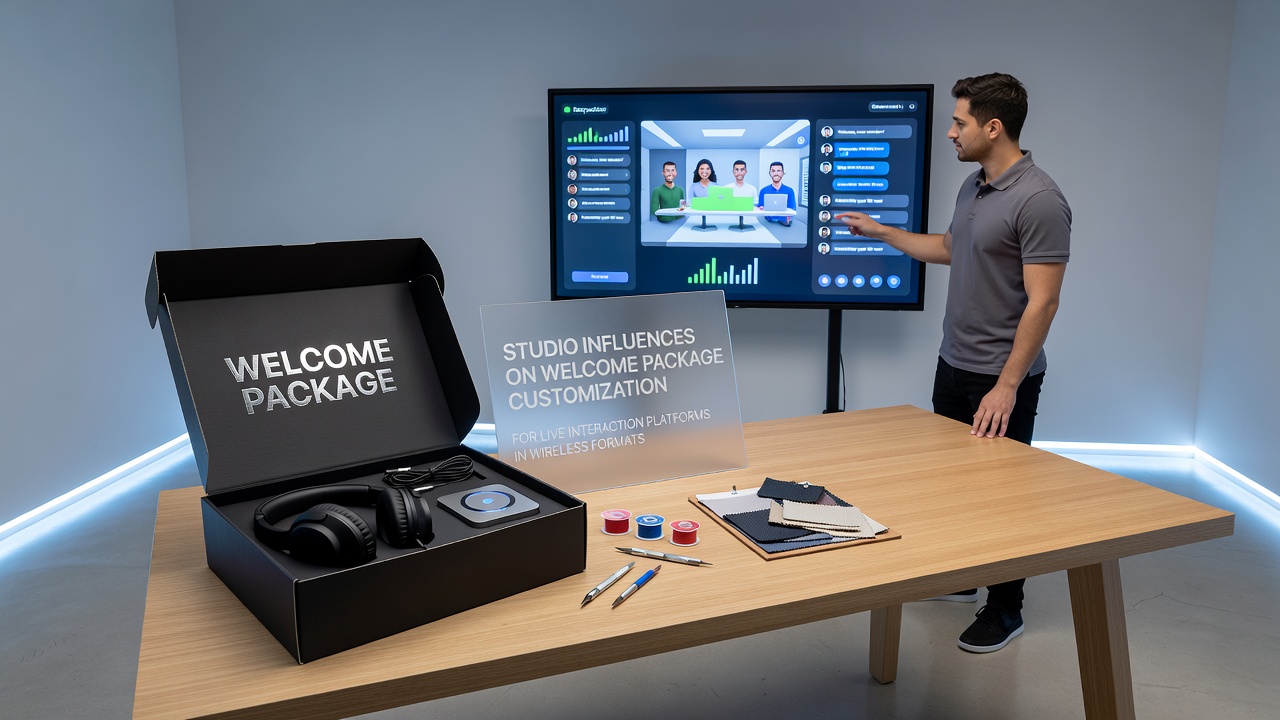
Studio Influences on Welcome Package Customization for Live Interaction Platforms in Wireless Formats
Production studios shape welcome package customization across live interaction platforms operating in wireless formats through structured development processes that integrate user data analytics with modular design frameworks, and these approaches allow platform operators to adjust onboarding sequences based on device capabilities and regional connectivity patterns. Data from industry reports indicates that studios often prioritize scalable templates which accommodate variations in screen sizes while maintaining consistent branding elements, and this practice supports seamless transitions from initial user registration to active participation in live sessions.
Development Frameworks and Modular Design Approaches
Software development studios apply modular design principles when customizing welcome packages for wireless live interaction platforms, and these principles enable rapid adjustments to interface layouts without requiring full code rewrites. Research conducted by academic institutions shows that teams break down welcome sequences into reusable components such as greeting screens, permission prompts, and tutorial overlays, while they test each element against multiple operating systems to ensure compatibility. Observers note that this method reduces deployment times, and it also allows operators to incorporate feedback loops that refine package elements based on engagement metrics collected from wireless networks.
Studios frequently collaborate with hardware manufacturers to align welcome package features with specific wireless protocols, and such partnerships produce customized onboarding flows that account for variations in bandwidth availability across different geographic areas. Figures from regulatory bodies in Australia reveal that platforms using these tailored packages experience higher retention rates during the first seven days of user activity, and this outcome stems from reduced friction in initial setup processes.
Data Integration and Personalization Techniques
Analysts at research institutions have documented how studios embed data integration tools into welcome package customization workflows for live interaction platforms, and these tools pull information from user device sensors to adjust content delivery in real time. Studios implement algorithms that detect connection quality and device performance, then they modify visual and audio elements accordingly to maintain smooth interactions during live sessions. Canadian government agencies report that such adaptations improve accessibility for users in areas with variable wireless coverage, and the resulting packages often include optional offline modes for certain tutorial segments.
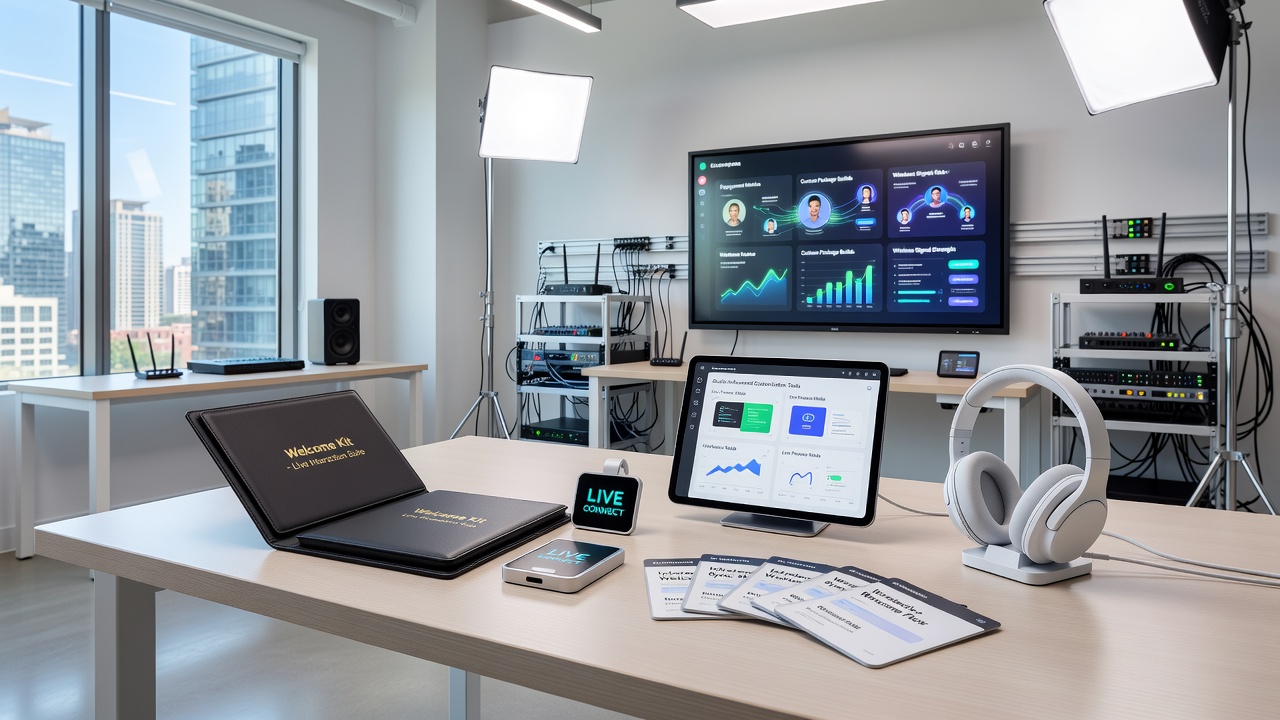
Personalization extends to language options and cultural references within welcome packages, and studios achieve this by maintaining extensive asset libraries that platform operators can activate based on user location data. Studies from European research centers indicate that localized elements increase completion rates for onboarding tasks, and the process involves careful calibration to avoid conflicts with data privacy standards enforced across multiple jurisdictions. By September 2026, updates to wireless standards are expected to further influence how studios structure these personalization layers, particularly as new frequency bands become available for mobile networks.
Case Examples from Industry Practice
One studio developed a series of welcome package templates for a live education platform operating exclusively on wireless devices, and the templates incorporated interactive polls that activated immediately after account creation. The design allowed operators to swap visual themes and prompt sequences without altering core functionality, and deployment across multiple regions demonstrated consistent performance metrics. Another project involved a social live streaming service where studios integrated gesture-based navigation cues into the welcome sequence, and this adjustment addressed common user behaviors observed in wireless environments with touch-screen interfaces.
Trade associations tracking mobile application trends have compiled data showing that studios which prioritize cross-platform testing achieve faster iteration cycles on welcome package elements, and these cycles typically span two to four weeks per major update. The approach supports ongoing refinements as wireless technologies evolve, and operators benefit from reduced maintenance overhead during peak usage periods.
Regulatory Considerations and Compliance Integration
Studios must incorporate compliance requirements from various regulatory frameworks when customizing welcome packages for wireless platforms, and this integration often occurs through dedicated review stages in the development pipeline. Agencies in the United States and Canada have issued guidelines that affect how user consent prompts appear in initial onboarding flows, and studios respond by creating flexible modules that adapt to these rules without disrupting the overall user experience. Industry organizations note that early involvement of compliance teams during the design phase prevents delays in platform launches, and the resulting packages maintain alignment with evolving standards for data handling in live interaction contexts.
Academic papers examining wireless platform development highlight the role of studios in balancing creative customization with technical constraints imposed by network providers, and this balance influences the scope of features available in welcome packages. Those who study these patterns observe that successful implementations rely on iterative testing cycles conducted across simulated wireless conditions, and the outcomes provide measurable improvements in user progression through onboarding stages.
Conclusion
Studio practices continue to define the boundaries of welcome package customization for live interaction platforms in wireless formats, and ongoing advancements in data analytics and modular design support more precise adaptations to user environments. Reports from multiple regions demonstrate measurable impacts on platform performance when these influences receive systematic attention during development, and the patterns established through current projects set the stage for further refinements as wireless infrastructure expands.