Tracing Algorithmic Patterns from Game Makers to Player Protection Measures in Handheld Jackpot Play
Viktor Hughes · Sep 16, 2026
Tracing Algorithmic Patterns from Game Makers to Player Protection Measures in Handheld Jackpot Play
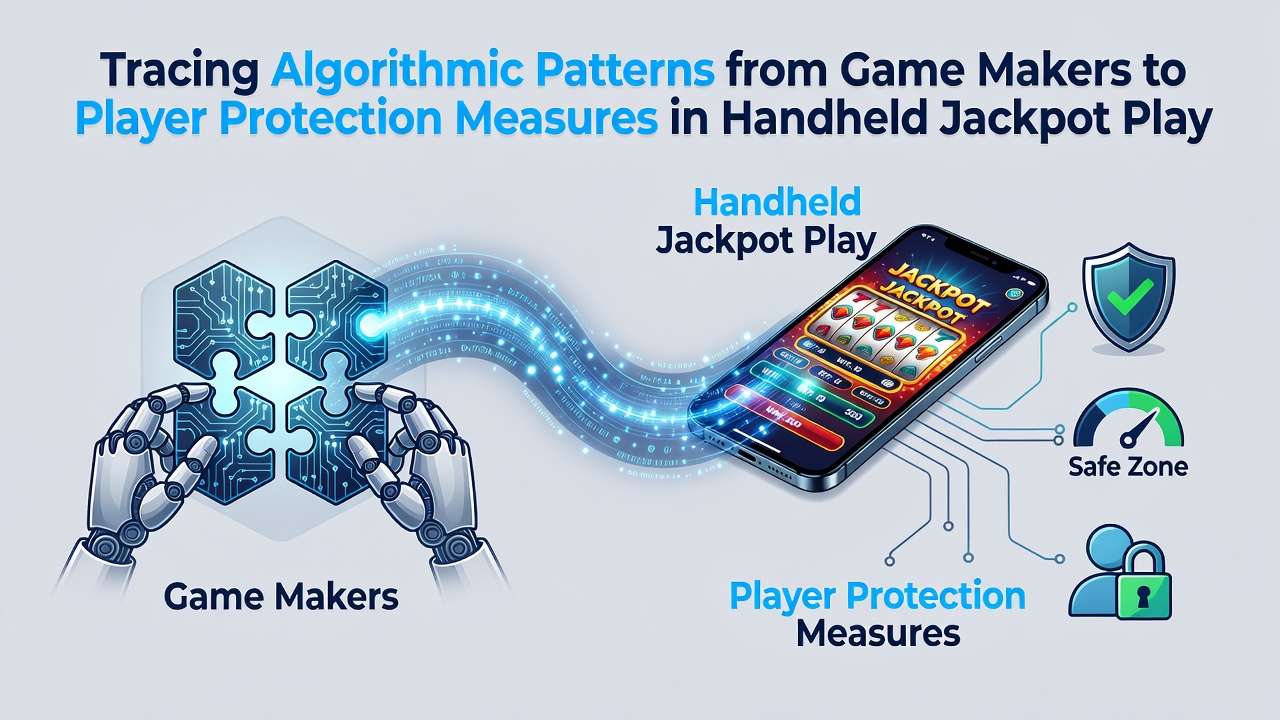
Game developers embed random number generators and pattern algorithms into handheld jackpot software from the earliest design stages, and these systems determine both payout structures and the points where player safeguards activate. Developers build the core mechanics around certified RNG protocols that produce sequences for reel spins and progressive pools, while regulatory frameworks require logging of every outcome to support later analysis of play behavior. Data from these logs feeds directly into monitoring tools that flag unusual session lengths or rapid bet increases, creating a direct line from code created by game makers to the alerts shown on player devices.
Algorithmic Foundations in Handheld Development
Engineers at major studios integrate pseudo-random algorithms with cryptographic seeding methods to meet certification standards set by independent testing labs, and the same code paths that calculate jackpot contributions also record timestamps and stake amounts for compliance databases. Mobile platforms add layers such as device fingerprinting and session tokens that allow operators to link individual plays across multiple games without storing personal data on the handset itself. Studies from university research groups have examined how these combined data streams reveal correlations between certain algorithmic triggers and extended play sessions, leading developers to insert optional cooling-off prompts at specific win thresholds.
Certification Processes and Data Pathways
Testing laboratories verify that RNG outputs remain statistically independent across millions of simulated spins, and the resulting certification reports include metadata that operators later map to responsible gambling modules. In September 2026, several European testing bodies released updated protocols requiring explicit hooks between jackpot algorithms and limit-setting interfaces, ensuring that any progressive meter reaching a defined percentage automatically surfaces spending caps chosen by the player. These requirements build on earlier standards from the Nevada Gaming Control Board that already mandated audit trails for all progressive contributions, creating consistent data formats that travel from studio servers to operator dashboards and finally to the player app.
Player Protection Integration on Mobile Devices
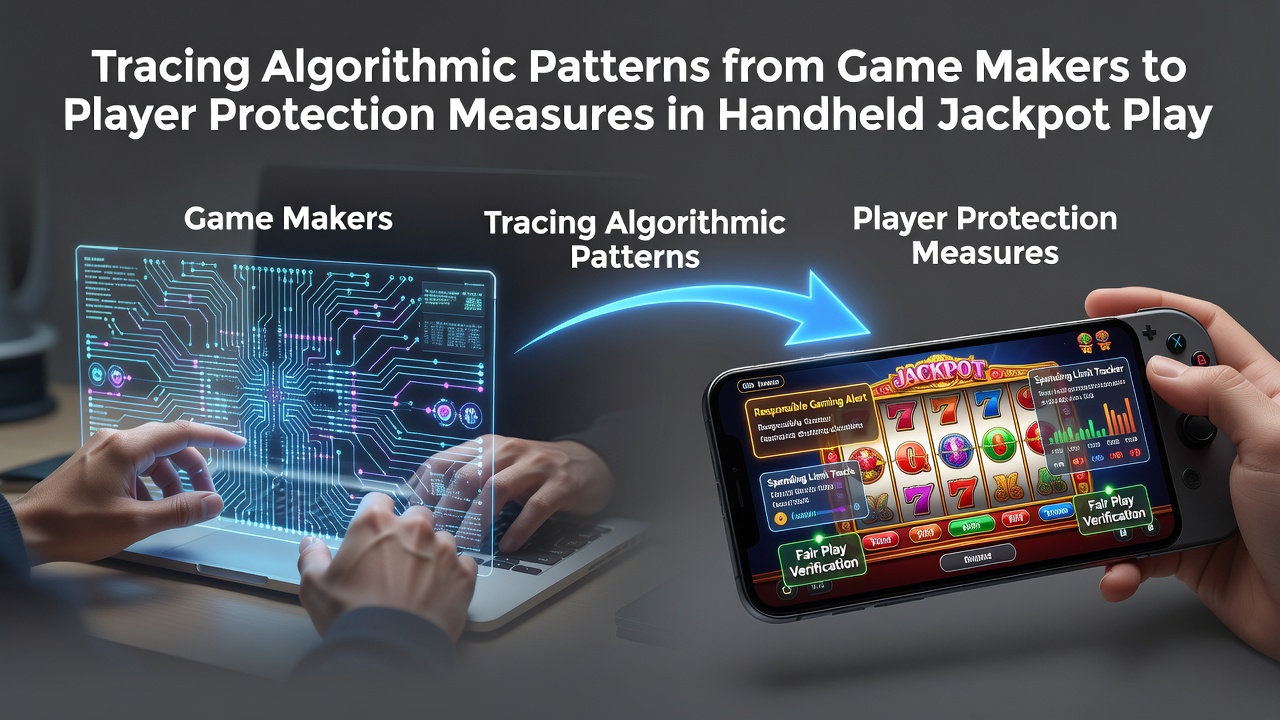
Operators connect the certified algorithms to front-end controls such as deposit limits, reality checks, and self-exclusion flags, and the connection occurs through API calls that read the same RNG log files used for fairness verification. Research indicates that when jackpot algorithms detect clusters of high-stake bets within short intervals, the linked protection layer can trigger a brief pause with an on-screen message offering session history. Figures from industry reports show that mobile users who receive these algorithm-triggered prompts reduce average session duration by measurable percentages compared with sessions lacking the intervention. The same data pipelines support aggregated reporting to regulators, allowing oversight bodies to review whether protection measures activate consistently across different game titles.
Regulatory and Industry Data Sharing
Authorities in multiple jurisdictions now require game makers to supply algorithm documentation that includes points where player protection calls can be inserted, and this documentation travels alongside the game files during approval. The European Gaming and Betting Association has published guidelines that encourage standardized data fields for win frequency and bet velocity, fields that protection software reads in real time. Observers note that these shared specifications reduce the time between a new jackpot title launch and the activation of tailored safeguards for individual users. Academic papers analyzing large anonymized datasets have traced how early detection of repetitive betting patterns, originally developed for RNG integrity checks, now doubles as an input for harm-minimization models deployed on handheld platforms.
Future Developments in Algorithmic Safeguards
Developers continue to refine machine-learning overlays that sit on top of traditional RNG systems, and these overlays analyze historical play sequences to predict when additional protection prompts might prove useful without interrupting the core game flow. Regulatory updates scheduled for late 2026 emphasize audit requirements for any predictive models, ensuring that the logic behind each suggested limit remains transparent and reviewable. Data from pilot programs in several markets shows that linking algorithmic outputs directly to customizable player profiles increases voluntary use of limit tools, while maintaining the certified randomness that underpins jackpot fairness. Those who manage compliance systems report that unified data formats allow quicker updates when new protection features become mandatory, keeping the pathway from game code to player device both efficient and auditable.
Conclusion
The chain from game maker algorithms to player protection measures in handheld jackpot environments rests on shared data standards, certified RNG outputs, and regulatory mandates that require explicit connections between fairness verification and harm reduction tools. As standards evolve through 2026 and beyond, the same technical pathways that guarantee random outcomes also support the delivery of timely, context-aware safeguards directly on mobile devices.